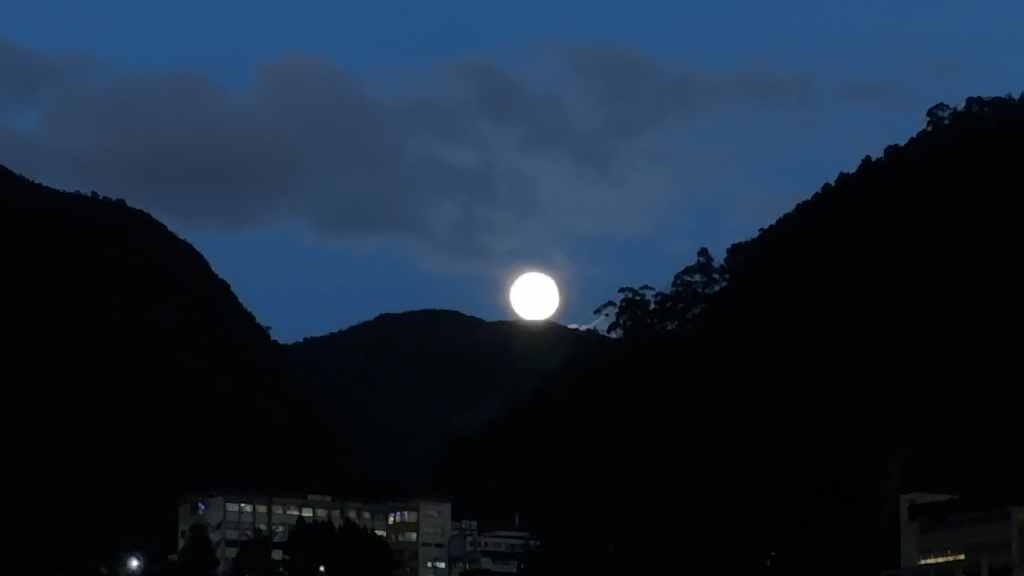
"We have had to ask but little of imagination, for our crucial problem has been a lack of conventional means to render our lives believable. This, my friends, is the crux of our solitude". The Solitude of Latin America. (1982).
Last week, I did my first intervention. It was more about learning how to do an intervention than about collecting information itself. It was interesting, my main insight is that I need to plan it with more time. My main question now is whether I should take part in the workshop I’m leading and say what I think, or if I should only ask questions.
In another post, I hope to share more details. This week, I’ll be helping as an assistant director for a photoshoot, and I signed to help as an assistant director for a play. I want to be as close as possible to storytelling industries.
Also, my tutor advised me that my task for this summer should be to make a video for Vox talking about Colombian cosmogonies. Such an amazing task! Sounds like I have now a plan.
Yesterday I went to a documentary event about the impact of mining companies in Latin America at UCL. It was intense. There are several topics I hadn’t wanted to face until now because they feel too heavy, like mining documentaries; I used to avoid spaces like that. The same thing happened with the Truth Commission report that came out of the 2016 Peace Agreement between Colombia and the FARC. I haven’t wanted to read it because it scares me.
I used to think watching these documentaries wasn’t a meaningful action on its own, that it wasn’t an external action that transforms immediate reality, and so it was comfortable and passive. Wrong. Staying informed isn’t easy, and it takes constant effort to keep watching the screen. It’s impossible not to want to act after seeing these situations. Staying informed does count as direct action.
Or well, to what extent? Because I’ve never been able to watch an animal cruelty documentary that promotes vegetarianism. And I don’t want to. It feels like masochism. The films I watch yesterday were sensitive with the audience, withouth understimating the importance of the situation.
The two documentaries I saw yesterday were possible because someone with filmmaking knowledge decided to travel to remote areas of Peru, and also managed to get funding for post-production. I’m thinking about whether I should shift my project toward facilitating communication tools for rural communities. Decentralizing impact communication. A school of archiving, production, and dissemination of stories for periferic areas with in handle tools. Too complicated.
At its core, the idea is still the same: to give visibility to Latin American stories.
An idea that’s hitting me hard is that, as a Latin American who considers himself someone who tries to stay informed, I hadn’t seen these documentaries. Until two weeks ago, I had never seen Agarrando Pueblo by Luis Ospina and Carlos Mayolo. Maybe right now, curation is more important than production?
I asked some questions and two people came up to talk to me. I’ve got two new contacts. I had tried this before at Port Talks in Goodenough (talks held at the place where I live), but it hadn’t led anywhere. The difference is that I feel empathy with the discussion I was yesterday.
Ahora, en español:
Historias ya hay, para qué escribir más, el problema es quién las encuentra
Sigo atascado con poder escribir más seguido. Tengo que escribir cada día un párrafo y aun así lo planeo demasiado. Re patológico el asunto.
Ayer fui a un evento de documental sobre el impacto de empresas mineras en Latinoamérica. Estuvo fuerte. Hay varios temas que no he querido ver hasta ahora porque se me hacen muy pesados, antes evitaba estos tipos de espacios. Lo mismo me pasó con el informe de la Comisión de la Verdad que nació del Acuerdo de Paz de 2016 entre Colombia y las FARC, no lo he querido leer porque me da miedo.
Solía pensar que ver estos documentales no es una acción valiosa en sí misma, que no es una acción externa que transforme la realidad inmediata, por lo tanto es cómoda y pasiva. No es así. No es fácil informarse y requiere un esfuerzo constante seguir viendo la proyección. Es imposible no querer actuar luego de ver estas situaciones. Informarse cuenta como acción directa.
O bueno, hasta qué punto? Porque nunca he podido ver un documental de maltrato animal que promueve el vegetarianismo. Tampoco quiero hacerlo. Siento que es masoquismo. Una diferencia sustancial es que los cortos de ayer son sensibles con la audiencia sin disminuir la gravedad de la historia. Fácilmente pudieron haber sido amarillistas: no lo fueron. Aprecio ese detalle.
Los dos documentales que vi ayer fueron posibles porque alguien con conocimiento cinematográfico decidió viajar a zonas remotas de Perú, y además consiguió financiamiento para la postproducción. Estoy pensando si cambiar mi proyecto hacia la facilitación de herramientas de comunicación a comunidades rurales. Descentralizar la comunicación de impacto. Escuelas de archivo, producción y difusión de historias rurales con herramientas que sean accesibles a la gente. Suena complicado.
En esencia, la idea sigue siendo la misma: visibilizar historias de Latinoamérica.
Una idea que me está impactando es que, siendo latino y considerándome una persona que busca estar informada, no había visto estos documentales. Hasta hace dos semanas nunca había visto Agarrando Pueblo de Luis Ospina y Carlos Mayolo. Tal vez en este momento es más importante la curaduría que la producción?
Hice preguntas y dos personas se acercaron a hablarme, tengo dos contactos nuevos. Ya había hecho esto antes en Port Talks en Goodenough (charlas que hacen en sitio donde vivo) pero no había dado frutos. La diferencia es que este es un espacio donde sentí empatía hacia la discusión y quienes hablaban.
I’m stuck. I have tried to start this blog six times and I’ve surrendered seven. Perfectionism blocks my way: I start writing, I complicate the argument so that it’s “worth publishing”, it falls apart, and I don’t publish anything at all in the end.
“I’m scared of being mediocre, but that fear is blocking my way from acting. I’m realizing that one part of my search in this master’s course is to find a sweet spot between the perfect (non-feasible) and the mediocre.”
That was how my last attempt at blogging started; I made a drawing related to the etymology of “mediocre” because I wanted to do an illustration for every blog entry. I didn’t publish this text either: in response I felt guilty for not finishing it.
My feeling of being stuck comes from noticing that the style I want to write with is just not viable for a weekly publication, which is what this blog is supposed to be. It’s the perfect task to break a perfectionist. Today, in response, I was given a brilliant recommendation: “Can’t you publish weekly? Then do it daily.”
And so I will, for now.
I want to keep this blog public, as I’m immensely afraid of being a public imperfect writer.
Ahora, en español:
Estoy bloqueado. He intentado comenzar este blog seis veces y me he frustrado siete. El perfeccionismo me tranca: comienzo un escrito, lo complico para que sea digno de ser publicado, se enreda, al final no publico nada.
“Me da miedo ser mediocre, pero ese miedo me está bloqueando de actuar. Estoy dándome cuenta de que, parte de la búsqueda de esta maestría es encontrar un lugar entre lo perfecto (lo irrealizable) y lo mediore”.
Así comenzaba mi último intento de blog. Hice un dibujo sobre la etimología de “mediocre”, porque quería hacer una ilustración por cada escrito que publicara (lo cual probablemente es muy complicado). Al final, de nuevo, no publiqué nada: sentí culpa.
El bloqueo viene de notar que el estilo con el que quiero escribir no es viable para un blog semanal. Es la tarea perfecta para romper a un perfeccionista. Hoy, en respuesta, me dejaron una tarea brillante: “¿No puede publicar semanalmente?, entonces publique cada día.”
Así haré, por ahora.
Antes de irme: debido al inmenso miedo que me da ser públicamente un escritor imperfecto quiero mantener público este blog.